

Autonomous mobile robotics (AMR) is transforming the world of industrial automation.
In the coming years, this technology is expected to continue its exponential growth, driven by the increasing demand for efficiency, safety, and flexibility across multiple sectors.
The global market for autonomous mobile robots, estimated to reach $3.88 billion in 2024, shows remarkable growth potential, projected to reach $8.02 billion by 2029, with a compound annual growth rate (CAGR) of 15.6%.
Growth drivers
This technology has gained strong momentum in sectors such as e-commerce, automotive, defense, and logistics. The shortage of low-cost labor and the need for mass customization are pushing companies to seek automated solutions.
Unlike automated guided vehicles (AGVs), AMRs do not require physical infrastructure such as magnetic strips or QR codes to navigate. Instead, they use advanced sensors, cameras, and laser scanners to interpret their environment and make autonomous decisions.
This technology not only improves efficiency but also reduces long-term operational costs.
Safety as a priority
One of the greatest advantages of AMRs is their ability to enhance safety in industrial environments.
According to the Occupational Safety and Health Administration (OSHA), more than 11% of forklifts used in warehouses are involved in accidents each year.
However, adopting AMRs for tasks such as pallet transport reduces reliance on forklifts and minimizes risks, creating safer environments.
This ability to operate without human intervention is crucial for preventing accidents and improving overall efficiency in factories and warehouses.
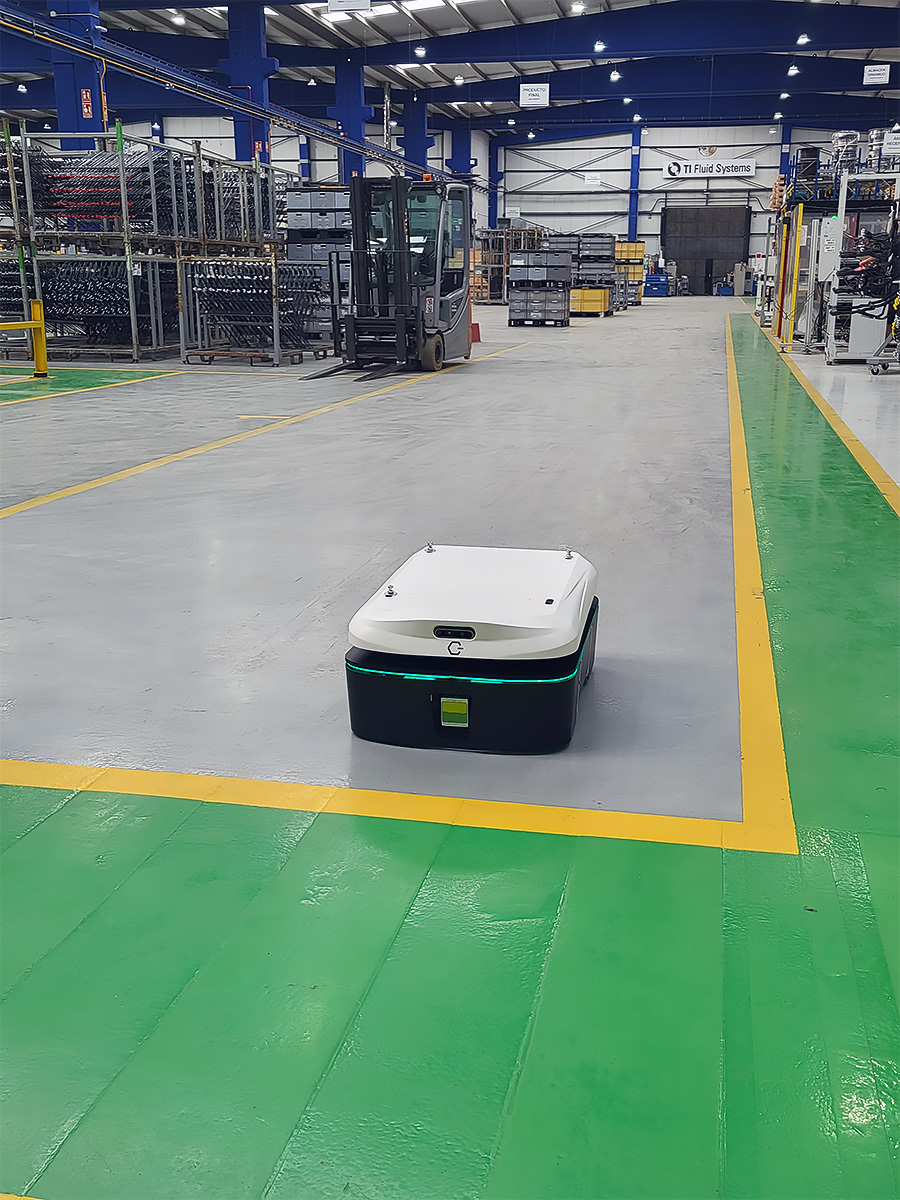
The capabilities of AMR robots, such as our Troo, help improve efficiency and safety in industrial environments.
Impact on the automotive industry
This sector is one of the main drivers behind AMR adoption. These robots enable manufacturers to optimize material flow and reduce lead times—key elements of the Just-In-Time (JIT) methodology, which aims for more agile and flexible production.
Companies such as Toyota and BMW are already investing heavily in AMRs, developing mobile robots that assist with logistics and material handling tasks in their plants.
The use of mobile robots in the automotive industry is relatively new, but its adoption is growing rapidly. As more manufacturers recognize the benefits of automation, the AMR market will continue to expand.
This growth is also driven by the rise of electric vehicles, which introduce new manufacturing challenges that AMRs are well-positioned to address.
Asia-Pacific leads the market
The Asia-Pacific region, led by China and Japan, is emerging as a key hub for autonomous mobile robotics.
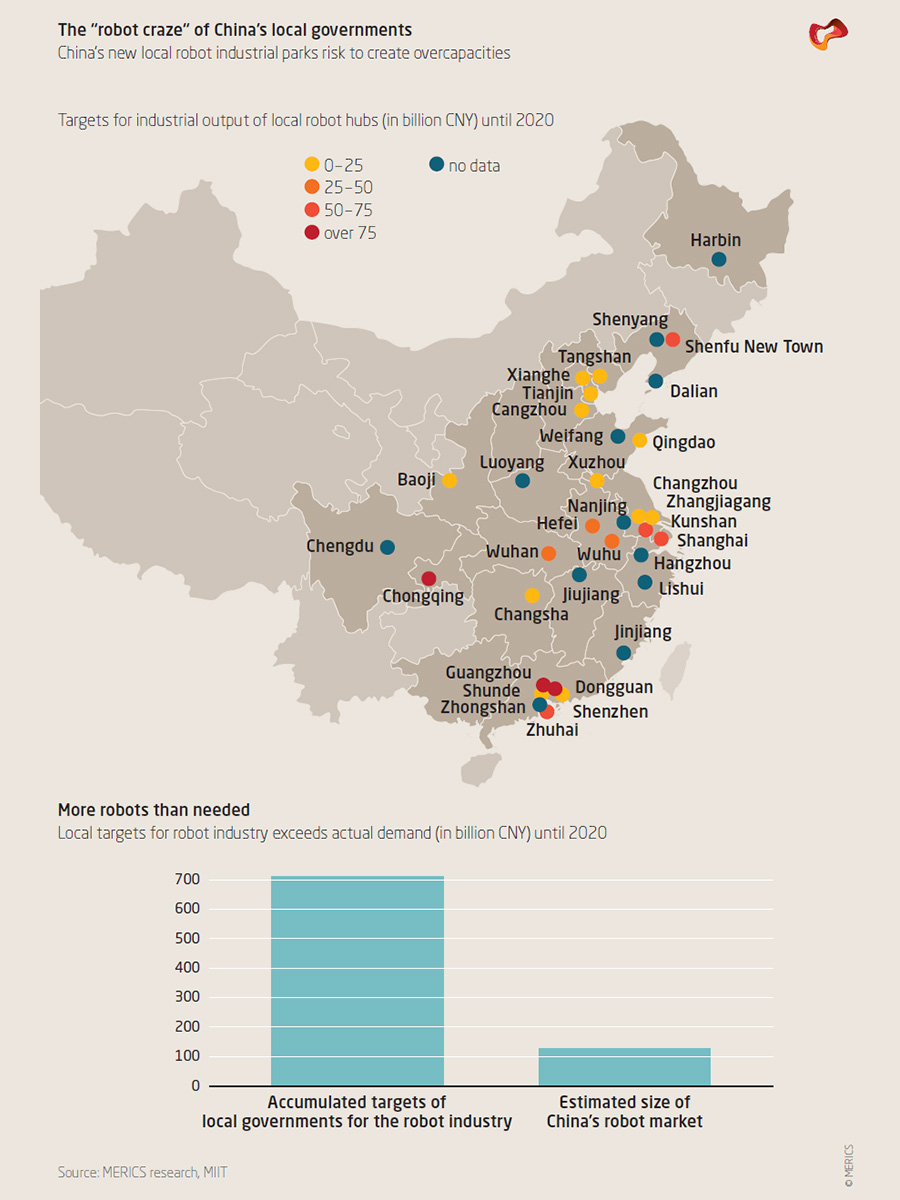
The robotics production boom in China could far exceed the consumption of its domestic market.
Source: “Made in China 2025. MERICS research, MIIT”
China, through its “Made in China 2025” initiative, is investing in artificial intelligence and robotics to strengthen its manufacturing capabilities.
Japan, meanwhile, aims to become the global leader in robotics under its New Robot Strategy, with applications ranging from manufacturing to healthcare.
Future outlook
The future of mobile robotics is promising. The adoption of AMRs is transforming how industries manage their daily operations, and automation shows no signs of slowing down.
As companies continue to face labor and safety challenges, this technology is emerging as an essential solution to improve productivity and efficiency.
As you know, we are at the forefront of this technological revolution. We are currently developing specialized autonomous mobile robots such as Compy Education and Troo.